


Completed Projects
COVID-19 Impact Survey
COMMUNITY HEALTH RESEARCH
In an initial proof-of-concept study funded by the North Carolina Department of Health and Human Services (NC DHHS), the Consortium, in collaboration with its ancillary partners, drew on longstanding relationships with more than 100 Community-Based Organizations (CBOs) across North Carolina’s six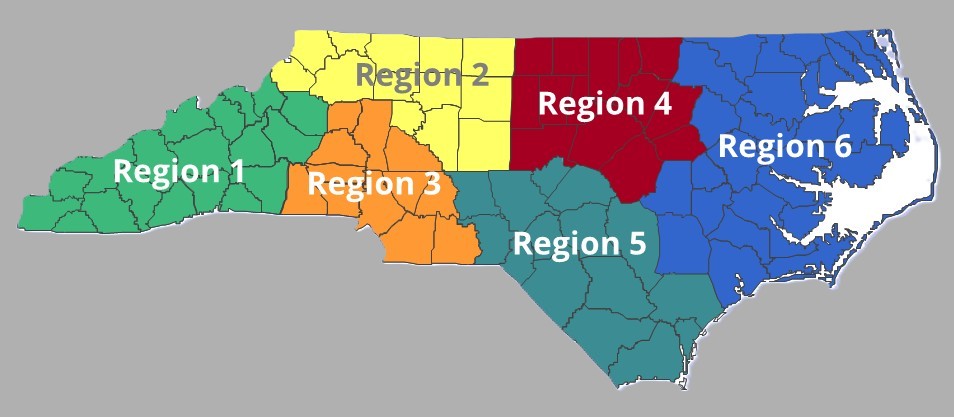 Medicaid regions to assess COVID-19’s impact on marginalized populations. From February 2023 to February 2024, each HBCU member institution and its ancillary partners collected surveillance data across the six Medicaid Regions of North Carolina. The study yielded more than 11,000 responses and reached a significantly more diverse and representative population than traditional survey methods, including 49% Black, 34% White, 9% Hispanic or Latino/a/x, and 3% American Indian respondents.
Connecting Survey Finds to Current Social Conditions
The HBCU Consortium's findings are not simply historical. Income losses, grief, anxiety, and employment disruption documented in these surveys ripple forward into present-day food insecurity, housing instability, healthcare gaps, and mental health crises, particularly in the communities of color that responded in highest numbers.
|
|
|
|
American College Health Association
Leveraging Data to Strengthen Resilience and Advance Health Equity
The Historically Black Colleges and Universities (HBCUs) Health Equity Data Consortium (HEDC). The Consortium received funding from the American College Health Foundation to conduct the American College Health Association-National College Health Assessment survey to assess health and wellness among s tudents at HBCUs. The survey collected critical data on student health habits, behaviors, and perceptions related to: mental health, including thoughts of suicide, eating disorders, and relationship difficulties; sexual and intimate partner experiences; incidents of exclusion, harassment, and racism; substance use and smoking habits; contraception use; exercise habits and preventive health practices; and impediments to academic performance. Findings from the survey were presented at the American College Health Association National Conference in May 2026.
